TITLE £800m in, £800m out: how Man City's scandal shines a light on Manchester United's finances
As City face the fallout from pumping more than £830m into the club through sham sponsorships, the accounts across town tell the opposite story. Manchester United have paid an estimated £852m in interest alone since the Glazer takeover, and their debt has climbed to £1.15bn.
On this page(2)
How can two clubs from the same city end up in such wildly different financial messes?
That is the question Simon Stone of BBC Sport posed this week, and the numbers tell a striking story. While Manchester City were found guilty of artificially inflating their income by more than £830m through what the Premier League commission called "sham" sponsorship deals, Manchester United have been haemorrhaging money in the opposite direction. According to estimates from football finance account Swiss Ramble, United have paid a staggering £852m in net interest since the Glazer family completed their leveraged buyout in 2005.
£800m pumped in at one end of town. £852m drained out at the other.
United's latest accounts, filed with the New York Stock Exchange for the year ending June 2026, show total debt has now climbed to £1.15bn, up from £667m just five years ago. The club recently took on an additional £90m in new borrowing and restructured existing obligations, partly to fund a £63.5m land purchase connected to plans for a potential new stadium.
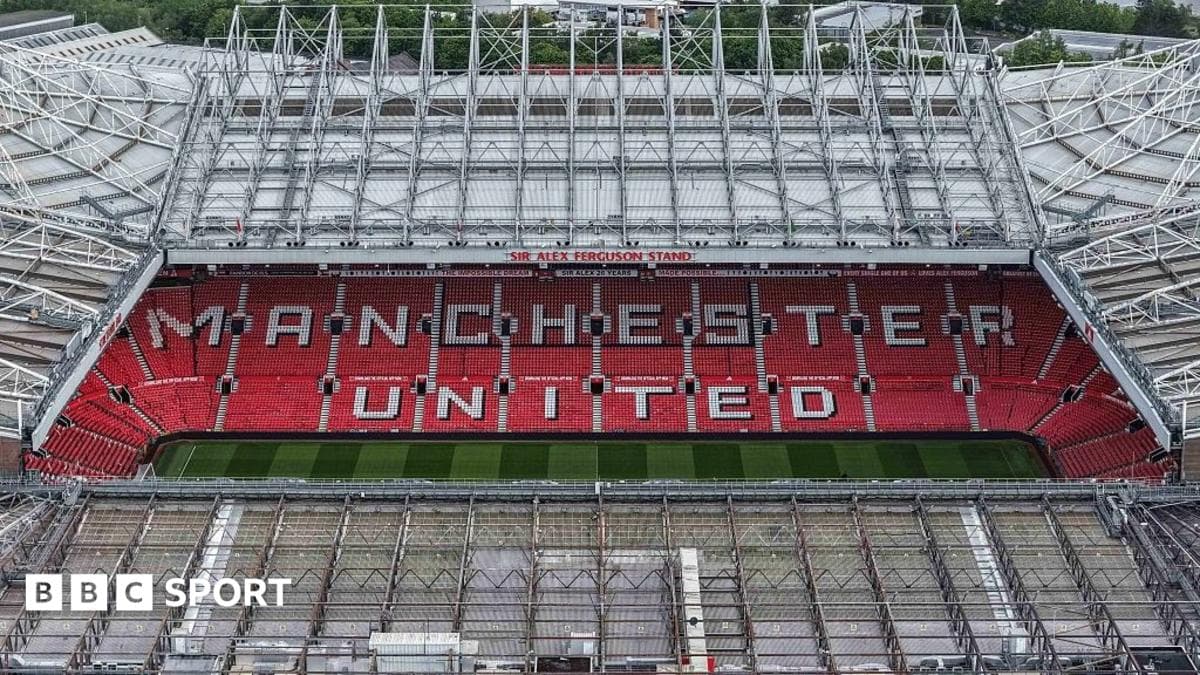
What would a new ground cost? Chief executive Omar Berrada has talked about a project worth up to £2bn. How that gets financed with more than £1bn already on the books is a question nobody at Old Trafford has answered yet.
Where is the money going?
On the pitch, United spent £191.7m on new signings over the summer, with Carlos Baleba, Andrey Santos and Youri Tielemans headlining the senior arrivals. Transfer debt now stands at £375m.
Berrada has promised what he calls a "disciplined approach" to spending, and there are signs of that elsewhere in the books. The wage bill dropped to £302m, bringing the wages-to-turnover ratio down to a healthier 45%. Record revenues of £677.6m helped too.
But the sales column is where United lag behind. They generated just £47m from player sales over the summer, ranking 11th in the Premier League on that measure. Several academy graduates were moved on with sell-on and buy-back clauses attached, a strategy that may pay off down the line but does little to balance the books right now.
Can Michael Carrick close the gap on the pitch?
The financial pressure makes results on the pitch even more critical. United's kit deal with Adidas includes a £10m penalty clause if the club fails to qualify for the Champions League, a genuine concern given they currently sit 12th in the table.
Michael Carrick's side host bottom club Tottenham at Old Trafford on October 10, a game they cannot afford to drop if they want to stay in touch with the European places. The broader question, though, is whether the Glazer ownership model, built on debt that has now consumed more than £850m in interest, can ever deliver the kind of sustained success City's illegally funded machine managed for the best part of a decade.
Two Manchester clubs. Two very different financial scandals. Both asking the same question: where does the money actually go?
Frequently Asked Questions
- What is Manchester United's current debt level?
- According to their latest financial filings, Manchester United's overall debt has reached £1.15 billion, a significant increase from £667 million in 2021.
- How much did Manchester City overstate their income by?
- A Premier League panel found that Manchester City's owners artificially inflated the club's income by more than £830 million through disguised sponsorship funding.
- Why is Champions League qualification crucial for United?
- Beyond the standard prize money, failing to qualify for the Champions League triggers a £10 million annual penalty in Manchester United's kit deal with Adidas.